Winter Offensive Weapon Case


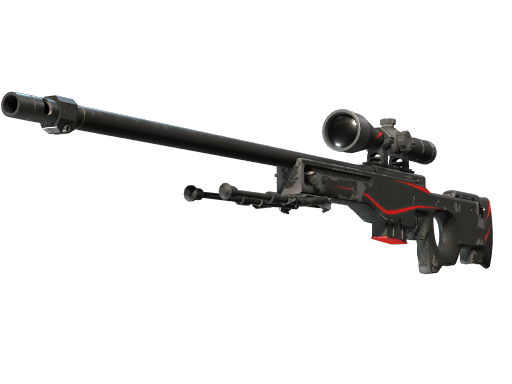













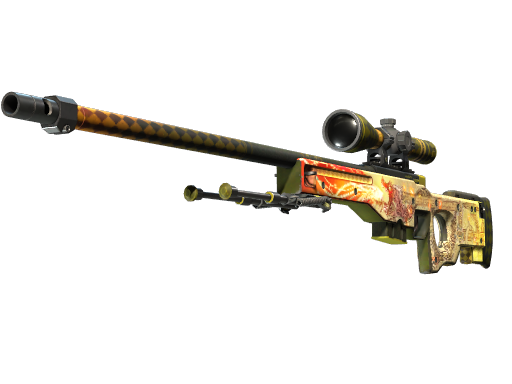
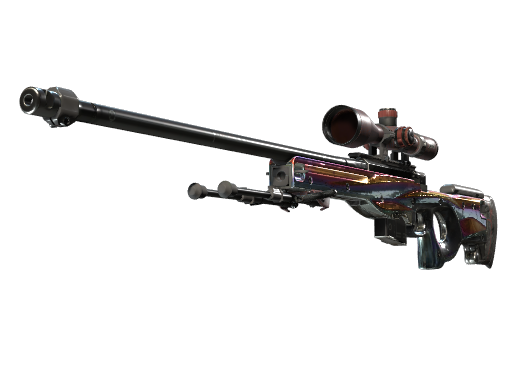
High risk and high reward, the infamous AWP is recognizable by its signature report and one-shot, one-kill policy. It has been painted using a carbon fiber hydrographic and a dry-transfer decal of a red pinstripe.
Never be afraid to push it to the limit








Click on market icons to enable/disable them.
View historical price changes and use the time filters to examine both short-term price movements and long-term market direction.
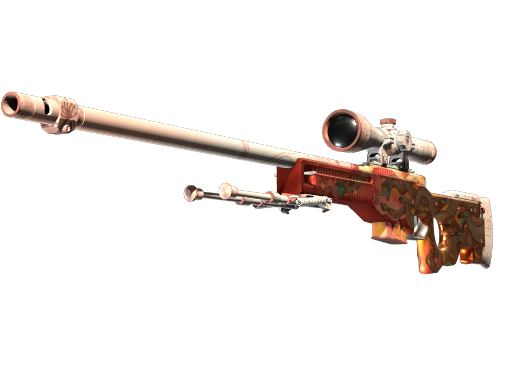
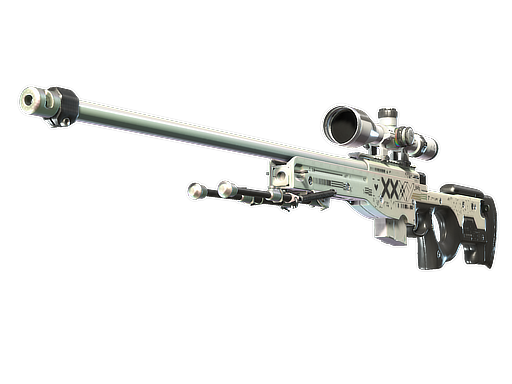
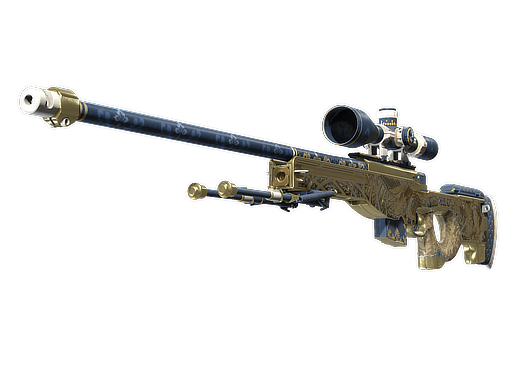
Explore other finishes available for the AWP. While the model remains the same, each skin offers a unique visual style, rarity tier, and market value within the CS2 ecosystem.
AWP Redline is a Classified skin for the AWP in Counter-Strike 2. In this section, you'll find detailed information about its release, collection, float range, exterior qualities, and how it can be obtained.
This section addresses the most common questions players ask about the AWP Redline, including its price, drop source, float range, rarity and trade-up mechanics.
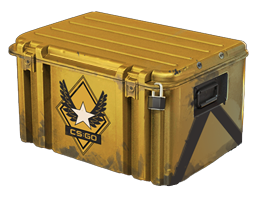
AWP Redline is part of the The Winter Offensive Collection and can drop from Winter Offensive Weapon Case .
AWP Redline can be obtained from Winter Offensive Weapon Case . Availability depends on whether these containers remain in the active drop pool or are only accessible through the market.
When used in a trade-up contract, AWP Redline contributes toward obtaining Covert items from the same collection such as M4A4 Asiimov and Sawed-Off The Kraken .
AWP Redline itself can be obtained through a trade-up contract by using Restricted skins from the same collection, such as FAMAS Pulse , Dual Berettas Marina , MP9 Rose Iron and Nova Rising Skull . As with all trade-ups, the final float value is determined by the average float of the input items.
It is considered one of the oldest skins in Counter-Strike, having been part of the in-game economy for many years, which often contributes to lower overall supply and stronger collector interest.
The price of AWP Redline currently ranges from $30.47 to $188.75, depending on its exterior condition, float value, and market demand. Prices may fluctuate over time based on supply and trading activity.
 SkinSearch