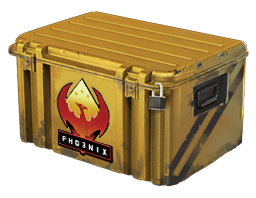
Operation Phoenix Weapon Case


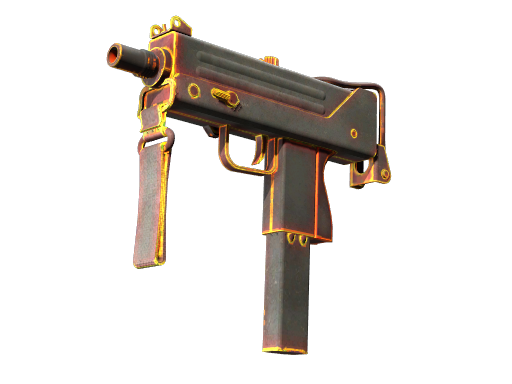












Essentially a box that bullets come out of, the MAC-10 SMG boasts a high rate of fire, with poor spread accuracy and high recoil as trade-offs. It has been custom painted to look as though it just came out of the forge.
Make some outlines of your own








Click on market icons to enable/disable them.
View historical price changes and use the time filters to examine both short-term price movements and long-term market direction.
Explore other finishes available for the MAC-10. While the model remains the same, each skin offers a unique visual style, rarity tier, and market value within the CS2 ecosystem.

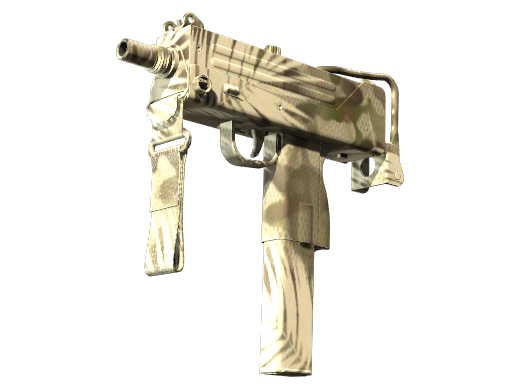

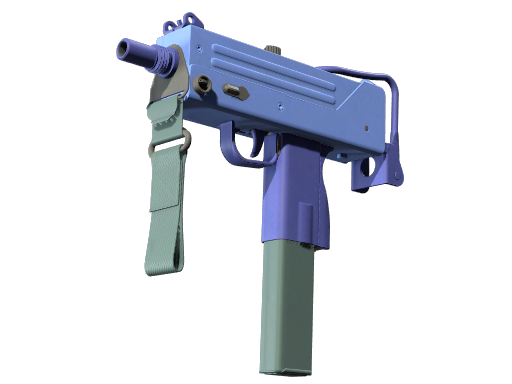

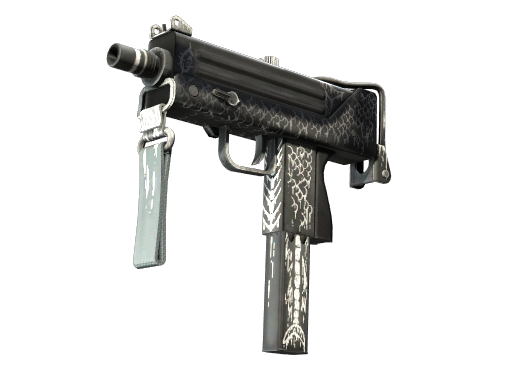

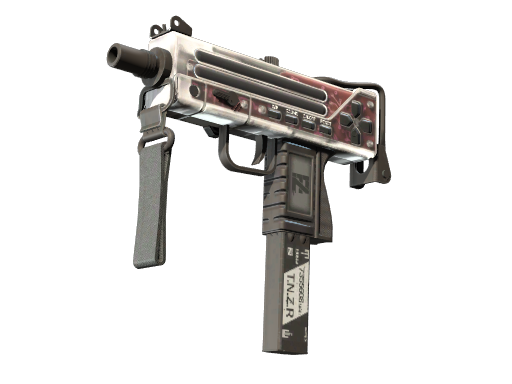
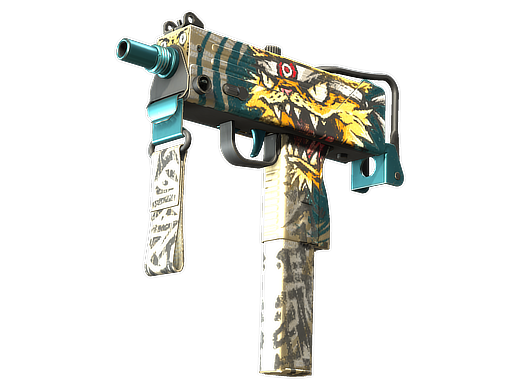
MAC-10 Heat is a Restricted skin for the MAC-10 in Counter-Strike 2. In this section, you'll find detailed information about its release, collection, float range, exterior qualities, and how it can be obtained.
This section addresses the most common questions players ask about the MAC-10 Heat, including its price, drop source, float range, rarity and trade-up mechanics.
MAC-10 Heat is part of the The Phoenix Collection and can drop from Operation Phoenix Weapon Case .
MAC-10 Heat can be obtained from Operation Phoenix Weapon Case . Availability depends on whether these containers remain in the active drop pool or are only accessible through the market.
When used in a trade-up contract, MAC-10 Heat contributes toward obtaining Classified items from the same collection such as AK-47 Redline , P90 Trigon and Nova Antique .
MAC-10 Heat itself can be obtained through a trade-up contract by using Mil-Spec skins from the same collection, such as UMP-45 Corporal , Negev Terrain , Tec-9 Sandstorm and MAG-7 Heaven Guard . As with all trade-ups, the final float value is determined by the average float of the input items.
It is considered one of the oldest skins in Counter-Strike, having been part of the in-game economy for many years, which often contributes to lower overall supply and stronger collector interest.
The price of MAC-10 Heat currently ranges from $1.83 to $5.09, depending on its exterior condition, float value, and market demand. Prices may fluctuate over time based on supply and trading activity.
 SkinSearch