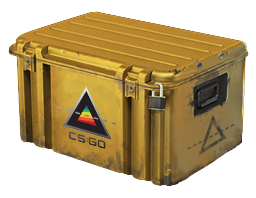
Prisma 2 Case


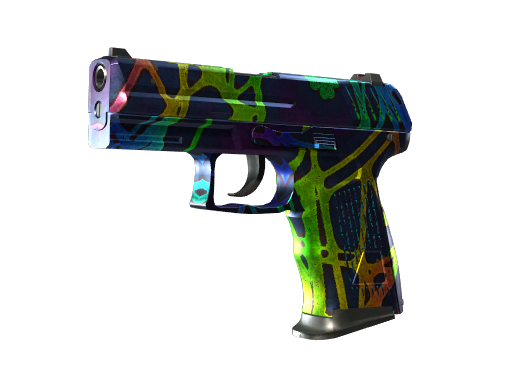











Accurate and controllable, the German-made P2000 is a serviceable first-round pistol that works best against unarmored opponents. A randomized multicolored pattern with a rare four-leaf clover has been applied.
Do you feel lucky?








Click on market icons to enable/disable them.
View historical price changes and use the time filters to examine both short-term price movements and long-term market direction.
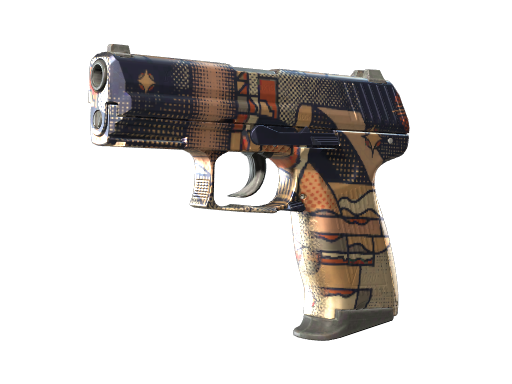
Explore other finishes available for the P2000. While the model remains the same, each skin offers a unique visual style, rarity tier, and market value within the CS2 ecosystem.

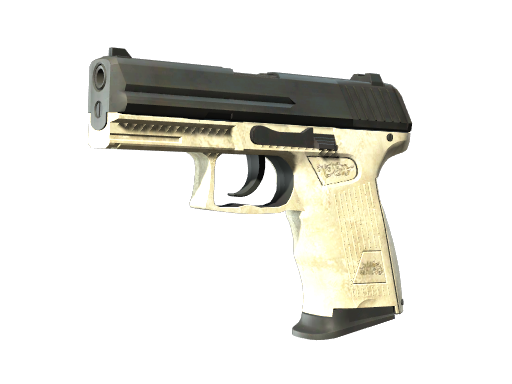

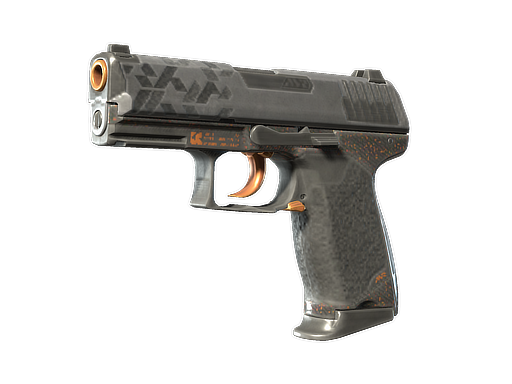
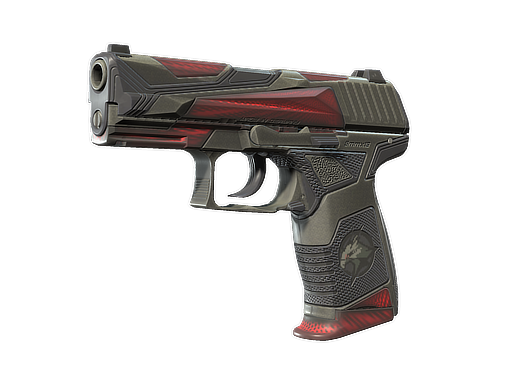

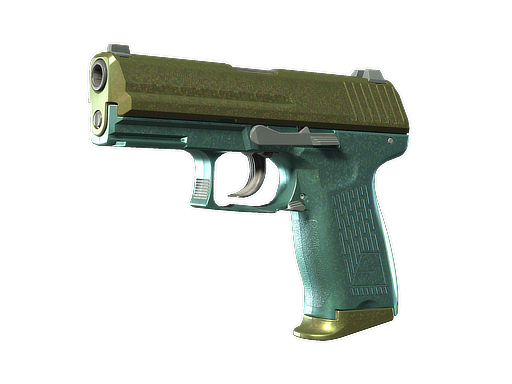
P2000 Acid Etched is a Restricted skin for the P2000 in Counter-Strike 2. In this section, you'll find detailed information about its release, collection, float range, exterior qualities, and how it can be obtained.
This section addresses the most common questions players ask about the P2000 Acid Etched, including its price, drop source, float range, rarity and trade-up mechanics.
P2000 Acid Etched is part of the The Prisma 2 Collection and can drop from Prisma 2 Case .
P2000 Acid Etched can be obtained from Prisma 2 Case . Availability depends on whether these containers remain in the active drop pool or are only accessible through the market.
When used in a trade-up contract, P2000 Acid Etched contributes toward obtaining Classified items from the same collection such as AK-47 Phantom Disruptor , MAC-10 Disco Tech and MAG-7 Justice .
P2000 Acid Etched itself can be obtained through a trade-up contract by using Mil-Spec skins from the same collection, such as AUG Tom Cat , AWP Capillary , CZ75-Auto Distressed , Desert Eagle Blue Ply , MP5-SD Desert Strike , Negev Prototype and R8 Revolver Bone Forged . As with all trade-ups, the final float value is determined by the average float of the input items.
As a relatively recent addition to Counter-Strike, it remains widely accessible, with newer skins generally being easier to obtain due to higher current supply.
The price of P2000 Acid Etched currently ranges from $0.54 to $13.68, depending on its exterior condition, float value, and market demand. Prices may fluctuate over time based on supply and trading activity.
 SkinSearch