 The Bank Collection


 The Bank Collection












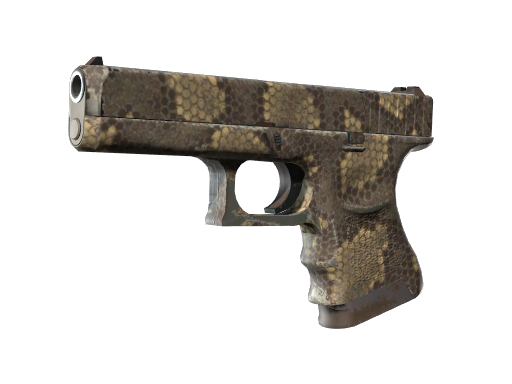
The Glock 18 is a serviceable first-round pistol that works best against unarmored opponents and is capable of firing three-round bursts. It has been painted with a snakeskin patterned hydrographic.
I know you don't believe in the cause...and when I expose you, Valeria will have your head - The Shield and The Serpent Part 1








Click on market icons to enable/disable them.
View historical price changes and use the time filters to examine both short-term price movements and long-term market direction.
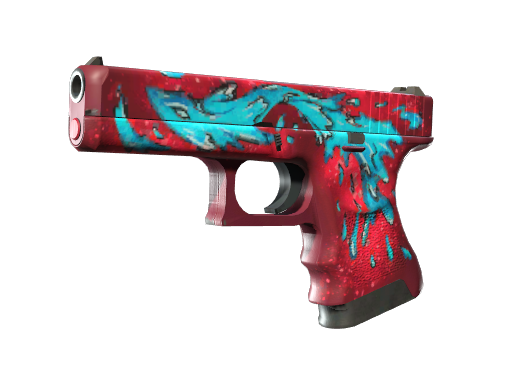
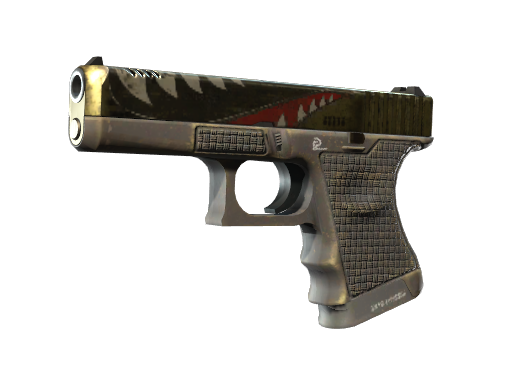
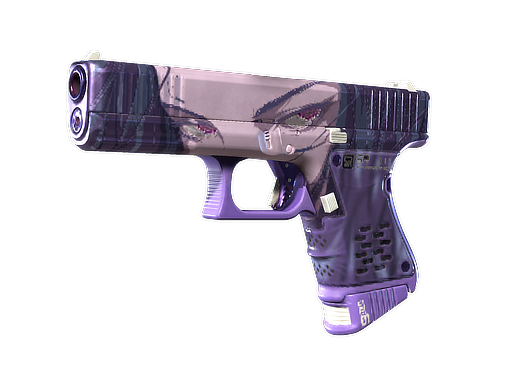
Explore other finishes available for the Glock-18. While the model remains the same, each skin offers a unique visual style, rarity tier, and market value within the CS2 ecosystem.
Glock-18 Death Rattle is a Industrial skin for the Glock-18 in Counter-Strike 2. In this section, you'll find detailed information about its release, collection, float range, exterior qualities, and how it can be obtained.
This section addresses the most common questions players ask about the Glock-18 Death Rattle, including its price, drop source, float range, rarity and trade-up mechanics.
Glock-18 Death Rattle is part of the The Bank Collection
Glock-18 Death Rattle can be obtained from a case like other skins.
When used in a trade-up contract, Glock-18 Death Rattle contributes toward obtaining Mil-Spec items from the same collection such as Desert Eagle Meteorite , Galil AR Tuxedo and CZ75-Auto Tuxedo .
Glock-18 Death Rattle itself can be obtained through a trade-up contract by using Consumer skins from the same collection, such as MP7 Forest DDPAT , Sawed-Off Forest DDPAT , Tec-9 Urban DDPAT , R8 Revolver Bone Mask , Negev Army Sheen and SG 553 Army Sheen . As with all trade-ups, the final float value is determined by the average float of the input items.
It has been available for a long time and is well established within the market, where older skins typically benefit from reduced active supply over time.
The price of Glock-18 Death Rattle currently ranges from $0.07 to $1.51, depending on its exterior condition, float value, and market demand. Prices may fluctuate over time based on supply and trading activity.
 SkinSearch