Prisma Case

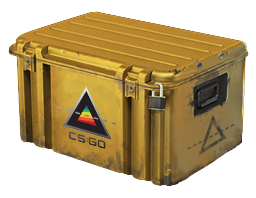
Prisma 2 Case


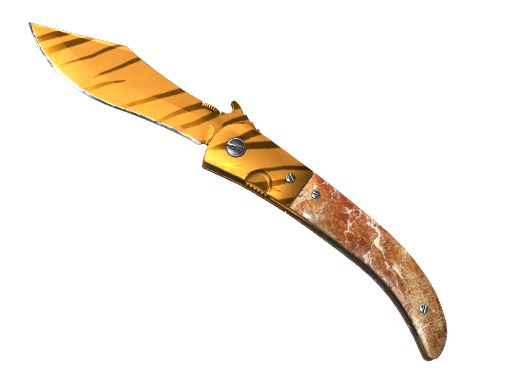









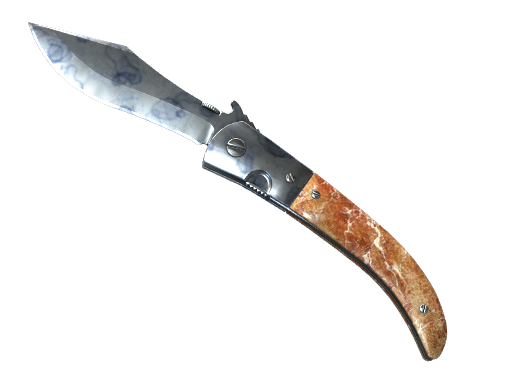
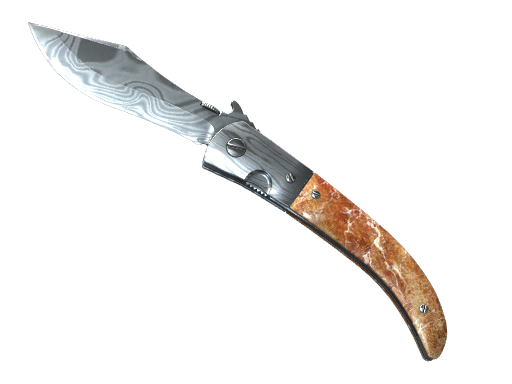
This marble-enamel-handled flip knife conceals a small but viciously tapered blade. It has been anodized orange and hand-etched in a tiger stripe pattern.
Like the tiger it is rare... like the tiger it is deadly...











Click on market icons to enable/disable them.
View historical price changes and use the time filters to examine both short-term price movements and long-term market direction.
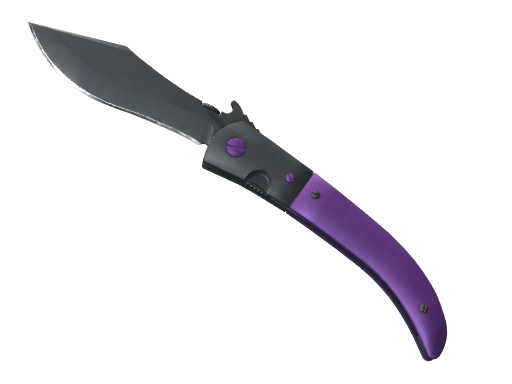
Explore other finishes available for the Navaja Knife. While the model remains the same, each skin offers a unique visual style, rarity tier, and market value within the CS2 ecosystem.
Navaja Knife Tiger Tooth is a Covert skin for the Navaja Knife in Counter-Strike 2. In this section, you'll find detailed information about its release, collection, float range, exterior qualities, and how it can be obtained.
This section addresses the most common questions players ask about the Navaja Knife Tiger Tooth, including its price, drop source, float range, rarity and trade-up mechanics.
Navaja Knife Tiger Tooth is part of the The Prisma Collection and can drop from Prisma Case and Prisma 2 Case .
Navaja Knife Tiger Tooth can be obtained from Prisma Case and Prisma 2 Case . Availability depends on whether these containers remain in the active drop pool or are only accessible through the market.
As the highest rarity item within its collection, this skin cannot be used in a trade-up contract to obtain a higher-tier item. Trade-up mechanics only allow progression to the next rarity level, and no further upgrade path exists within this collection.
Navaja Knife Tiger Tooth itself can be obtained through a trade-up contract by using Classified skins from the same collection, such as R8 Revolver Skull Crusher , AUG Momentum and XM1014 Incinegator . As with all trade-ups, the final float value is determined by the average float of the input items.
It has been in the game for several years and maintains steady availability, balancing historical presence with ongoing market activity.
The price of Navaja Knife Tiger Tooth currently ranges from $74.81 to $114.84, depending on its exterior condition, float value, and market demand. Prices may fluctuate over time based on supply and trading activity.
 SkinSearch